If you have ever wondered what is torque in a car, you are asking a smart question. Horsepower gets most of the attention in dealership ads, but torque is the force you often feel first. It helps your vehicle pull away from a stoplight, climb a steep driveway, merge onto a highway, or carry a trunk full of groceries without feeling strained. Understanding this one specification makes comparing cars much less intimidating, especially when you are shopping beyond the headline numbers.
What is torque in a car, exactly?
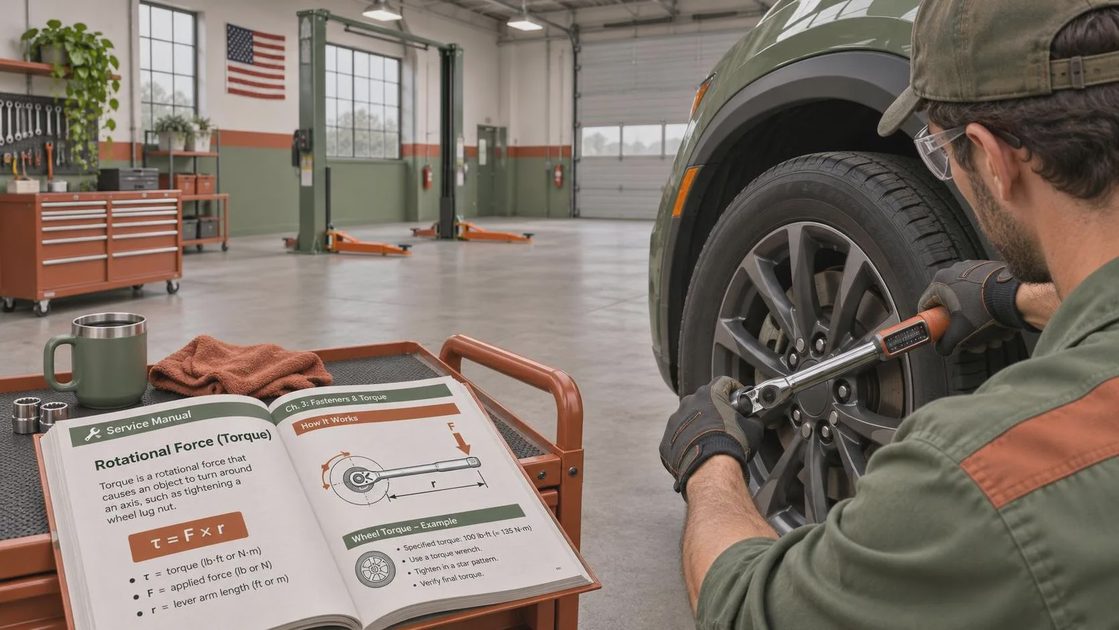
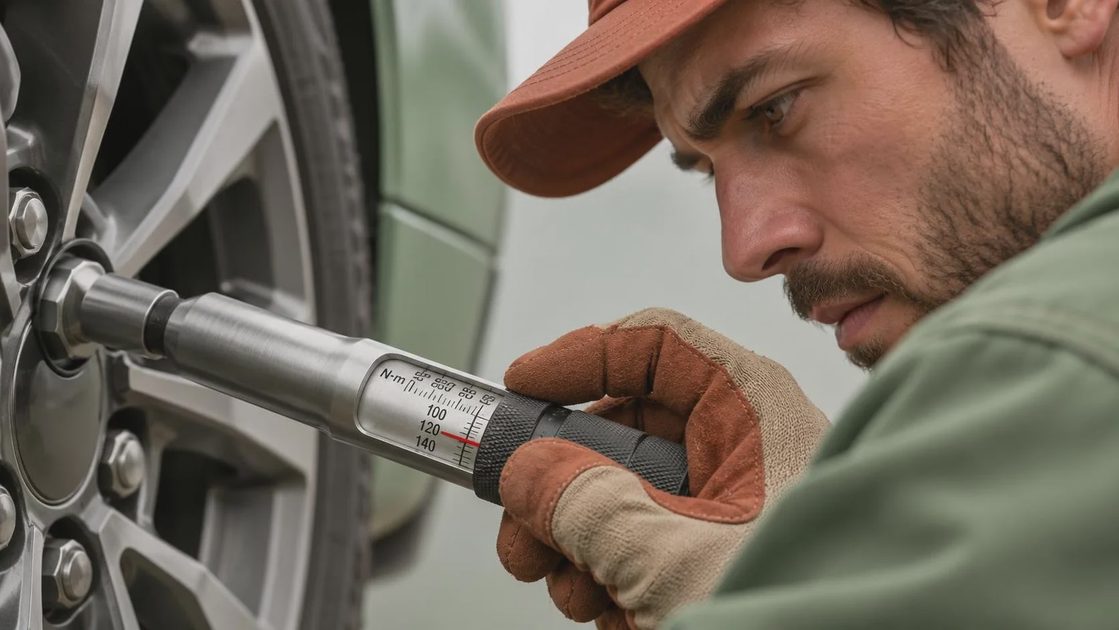
Torque is a twisting force. In an engine, combustion pushes pistons, the pistons turn the crankshaft, and that turning force eventually reaches the wheels through the transmission and drivetrain. You will usually see torque measured in pound-feet, written as lb-ft. A higher torque number means the engine can apply more twisting force under the right conditions.
Think about opening a stubborn jar. Your hand applies a twisting force to the lid. A longer kitchen tool gives you more leverage, making the lid easier to turn. An engine creates its own version of that twisting effort, then the transmission multiplies and manages it so the car can move smoothly.
That last part matters. The torque printed on a specification sheet is the engine's peak output, not a promise that the same force is available at every speed. An engine may produce its maximum torque at 1,800 rpm, 4,500 rpm, or somewhere in between. RPM means revolutions per minute, or how quickly the engine is spinning.
How torque feels from the driver's seat
The easiest way to understand what is torque in a car is to notice what happens during ordinary errands. Imagine two compact SUVs parked side by side. One has 155 lb-ft of torque and the other has 260 lb-ft. The second SUV will often feel more eager when you press the accelerator, particularly when traffic is moving slowly and you need to create space.
Torque is especially noticeable at low and medium engine speeds. That is why a turbocharged four-cylinder can feel surprisingly strong in city driving. A turbocharger pushes more air into the engine, allowing it to produce more force without requiring a larger engine block. Many modern vehicles use this setup to balance useful acceleration with fuel economy.
Diesel engines are known for strong low-end torque, while many electric motors deliver their maximum torque almost immediately. That instant response is one reason electric cars can feel so quick away from a stop. You do not need to understand every engineering detail to appreciate the result: the car responds promptly when you ask it to move.
Torque versus horsepower without the headache
A simple way to separate the two terms is this: torque is the twisting force, while horsepower describes how quickly the engine can perform work. They are related, but they are not interchangeable. Torque helps answer, “How hard can this car pull?” Horsepower helps answer, “How quickly can it keep doing that work?”
A vehicle with strong torque can feel confident at low speeds, even if its horsepower figure is modest. A sports car with high horsepower may feel more dramatic as engine speed rises. Neither measurement tells the whole story. Vehicle weight, gearing, traction, throttle tuning, and the shape of the torque curve all affect the experience.
For daily driving, you may care more about where torque arrives than the maximum number. A family crossover with 280 lb-ft available early can feel easier to drive than a lighter car that makes similar peak torque only near the top of its rev range. This is one reason a test drive is more useful than comparing two bold numbers online.
Why torque matters for hills, towing, and carrying passengers
When people ask what is torque in a car, they are often really asking whether a vehicle will handle their life comfortably. Torque matters when the car is loaded with passengers, luggage, camping equipment, or a small trailer. More available force can make steep roads and highway merges feel less demanding.
Still, a high torque rating does not automatically make a vehicle a good tow vehicle. Towing capacity depends on the frame, cooling system, brakes, transmission, suspension, wheelbase, and manufacturer rating. A compact crossover might have impressive engine torque but a modest towing limit. Always use the vehicle's official tow rating rather than guessing from the engine specification.
For mountain driving, an automatic transmission can downshift to keep the engine in a useful power range. In a manual car, the driver chooses a lower gear. Either way, gearing turns engine torque into stronger pulling power at the wheels. That is why a small engine in first gear can move a car effectively, while the same engine in a tall highway gear may feel slower.
Gas, hybrid, and electric torque explained
Gasoline engines usually build torque over a range of engine speeds. Turbocharged models can produce a strong surge once the turbo is working, although modern systems are designed to reduce delay. A naturally aspirated engine, meaning one without a turbocharger or supercharger, may offer a smoother and more predictable response as revs rise.
Hybrids add an electric motor to the gasoline engine. The motor can provide immediate assistance when you pull away, while the gas engine handles longer stretches efficiently. This combination often feels calm and effortless in stop-and-go traffic. It can also reduce the need to press the accelerator deeply when the vehicle is carrying extra weight.
Electric vehicles have a different character because their motors can deliver strong torque from very low speed. A small electric hatchback can feel wonderfully responsive without sounding aggressive. That does not mean every electric vehicle is fast in every situation. Battery charge, temperature, software settings, traction, and overall vehicle weight still influence performance.
How to use torque when shopping for a car
Start by thinking about your actual routine. If most drives involve city streets, school pickup, errands, and short highway merges, strong low-speed response can improve comfort. If you regularly drive on steep roads or carry a full cabin, compare torque delivery and vehicle weight, not just horsepower. If towing is part of the plan, begin with the official towing capacity and work backward.
During a test drive, notice how the car responds from a complete stop, how it merges at 45 to 65 mph, and whether it downshifts loudly on hills. Try the drive mode you would normally use rather than judging only a sporty setting. Ask whether the vehicle uses a continuously variable transmission, traditional automatic, dual-clutch transmission, or single-speed electric setup, because each can make the same engine output feel different.
For example, a 2024 Honda CR-V Hybrid, a Toyota RAV4 Hybrid, and a Ford Escape Hybrid may all feel composed in everyday traffic, but their power delivery and throttle tuning are not identical. A Mazda CX-5 may feel more immediate in corners, while a larger three-row SUV may offer stronger pulling ability but require more space and fuel. Specs narrow the field; your drive decides what feels right.
The takeaway for your next test drive
What is torque in a car? It is the engine's twisting force, and it strongly influences how easily a vehicle gets moving and handles real-world demands. Horsepower still matters, but torque helps explain the satisfying push you feel when leaving a light or climbing a hill.
You do not need to become an engineer to use this information. Look for when peak torque arrives, consider the vehicle's weight and gearing, and match the numbers to your routine. Then pay attention to your own experience: Does the car feel relaxed with passengers? Does it merge without drama? Does the accelerator respond in a way that makes you feel confident?
Tell us what you are shopping for in the Her Garage community. Are you choosing a first car, comparing family SUVs, or looking for a weekend vehicle that feels lively without being exhausting? The best specification is the one that makes your everyday driving feel easier and more enjoyable.
No comments yet.