Sisters, question for you: when you picture your next vehicle, do you want something easy to park, roomy enough for a growing family, or polished enough for a long weekend away? Volkswagen SUVs cover all three moods. The lineup includes the compact Taos, the midsize Tiguan, the spacious Atlas Cross Sport, and the three-row Atlas. Each has a different personality, so the best choice depends less on a glossy feature list and more on how you actually spend your days.
Volkswagen has built its reputation around clean design, comfortable seats, and a driving feel that is more composed than truck-like. That matters when your commute includes a crowded parking garage, school pickup, or an hour of stop-and-go traffic. You can get useful cargo space without feeling as though you are piloting a giant box.
A quick look at the Volkswagen SUVs lineup
The Taos is the smallest option and usually the easiest one to maneuver in a city. It offers a higher seating position than a sedan while staying relatively tidy outside. For a recent graduate, a couple, or anyone who wants room for groceries and weekend luggage without a huge footprint, it is a sensible starting point. Its available all-wheel drive is helpful for drivers who regularly deal with rain, snow, or unpaved roads.
The Tiguan sits in the middle. It feels more substantial than the Taos, with a quieter cabin and more flexible passenger space. Depending on configuration, it can offer a small third row, although that extra seating is best treated as occasional-use space for children rather than a permanent adult lounge. The Tiguan is a strong compromise for a household that wants comfort and versatility but does not need the size of a full three-row SUV.
The Atlas Cross Sport is a two-row vehicle with a longer, sportier shape. It gives passengers generous legroom and creates a useful cargo area behind the second row. The Atlas is the family heavyweight, with three rows, a broad cabin, and the kind of capacity that makes road trips, sports equipment, and visiting relatives much less complicated.
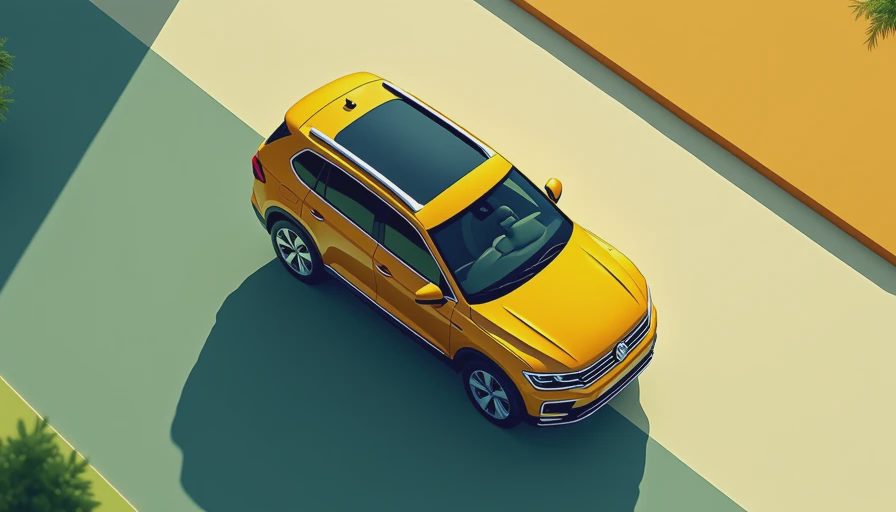
Which Volkswagen SUV makes sense for your lifestyle?
Think about your weekly routine before you think about trim levels. If you live in an apartment and parallel park several times a week, the Taos can feel refreshingly manageable. Its smaller footprint can also make a noticeable difference when you are squeezing into an older garage or navigating narrow neighborhood streets.
If your life includes a stroller, two medium-sized dogs, or frequent airport runs, the Tiguan deserves a close look. Fold the rear seats and you get a useful loading area without moving all the way into a large-SUV experience. The Atlas Cross Sport is better when adult passengers regularly sit in the second row and you still want room for bikes, coolers, or bulky shopping bags.
Choose the Atlas when the third row will genuinely be used. A three-row vehicle is not automatically better; it also brings more exterior length, more parking-lot maneuvering, and usually a higher purchase price. For a family that carpools or takes long road trips, that extra capacity can be worth every inch. For a solo driver who occasionally carries friends, it may be unnecessary metal and monthly expense.
Comfort, technology, and the details you notice daily
One reason Volkswagen SUVs appeal to many women shoppers is that the cabin generally feels considered rather than overloaded. Controls are arranged with a modern, uncluttered look, and higher trims can add features such as heated seats, a power liftgate, wireless smartphone connectivity, and upgraded audio. Still, do not assume the most expensive trim is automatically the most comfortable choice.
During a test drive, bring the items you use every week. Sit in the second row with the front seat adjusted to your normal position. Try the child-seat anchors if relevant. Put a tote, stroller, or work bag in the cargo area. Test whether you can reach the liftgate button and adjust the driver’s seat without fighting the touchscreen. A vehicle can have beautiful materials and still annoy you every morning if the storage spaces are awkward.
Also compare visibility. The Atlas gives you a commanding view, while the Taos can feel less intimidating in tight spaces. A rearview camera is useful, but it does not replace checking blind spots and getting comfortable with the vehicle’s corners.
Safety and confidence behind the wheel
Safety is not one single feature; it is the way the whole vehicle supports your decisions. Volkswagen SUVs commonly offer driver-assistance features such as forward collision warning, automatic emergency braking, blind-spot monitoring, and adaptive cruise control, depending on model and trim. Equipment can change by model year, so read the window sticker rather than assuming every feature is standard.
Pay attention to how the systems behave during your drive. Some alerts are gentle and useful, while others can feel busy in heavy traffic. Ask the salesperson to demonstrate lane assistance, parking sensors, and the vehicle’s warning settings. You should leave understanding what the car does, what it does not do, and when you still need to take full control.
A confident seating position, predictable brakes, good outward visibility, and easy-to-reach controls can matter just as much as a long list of electronic features. Those are the qualities that help you feel calm after a long day, not just impressed for the first ten minutes.

Purchase price, maintenance, and insurance planning
Volkswagen SUVs span a wide price range, from a relatively accessible compact crossover to a much larger three-row model with premium options. When comparing offers, include destination charges, taxes, registration, dealer-installed accessories, and financing costs. A payment that looks manageable can change quickly after adding a protection plan, roof rack, upgraded wheels, or a larger down payment requirement.
Maintenance deserves its own line in your budget. Set aside money for oil services, tire rotations, brake wear, scheduled inspections, and eventual battery replacement. Larger tires can cost more to replace, and premium trims may use pricier wheel and tire combinations. Ask for the recommended maintenance schedule and request an insurance quote using the exact year, trim, and vehicle identification number when available.
Insurance premiums depend on factors such as your location, driving history, coverage limits, deductible, claims record, and the vehicle’s repair profile. Comprehensive coverage generally helps with non-collision damage such as theft, hail, or falling objects, while collision coverage addresses damage from a crash, subject to your deductible. Liability coverage pays for damage or injuries you cause to others, but it does not repair your own vehicle. Comparing quotes from companies such as State Farm, GEICO, Progressive, and local insurers can reveal meaningful differences.
A simple test-drive checklist
Before choosing among Volkswagen SUVs, take each serious candidate through the same routine. First, adjust the seat and mirrors yourself. Next, drive on a neighborhood street, a faster road, and a rougher patch of pavement. Listen for wind and tire noise, then try a tight turn and a parking maneuver. Load your usual bags or folding stroller. Finally, review the window sticker and ask which safety and convenience features are included rather than optional.
If you are shopping with a partner, each person should drive. One driver may love the Atlas’s height while the other prefers the Taos’s easier dimensions. That difference is not a debate to win; it is information about whose daily comfort is being prioritized.
Bring home more than a monthly payment. Write down the purchase price, estimated fuel costs, insurance quote, maintenance budget, and the amount of cargo space you actually use. That comparison often makes the answer surprisingly clear.
The bottom line for your next Volkswagen SUV
Volkswagen SUVs work because the lineup gives you room to choose your own version of practical. The Taos keeps city life simple, the Tiguan balances flexibility and size, the Atlas Cross Sport brings two-row comfort, and the Atlas handles serious passenger and cargo demands. None is universally perfect, and that is good news.
Start with your parking situation, passenger needs, road-trip habits, and insurance budget. Then drive two or three models back to back, not just the one that looks best online. The right vehicle should make ordinary life easier: groceries fit, passengers settle in, and you feel relaxed when the road gets busy. Which Volkswagen SUV would fit your garage and your next chapter best?
No comments yet.