Sisters — question for you: what if the school run, grocery trip, and weekday commute could happen mostly on electric power, without giving up the easy space of a family van? A plug in hybrid minivan can make that balance feel surprisingly normal. It combines a rechargeable battery with a gasoline engine, so you can use electricity for shorter daily drives and fuel for longer road trips.
That sounds simple, but shopping requires more than reading an electric-range number. You will want to think about charging at home, second-row comfort, cargo flexibility, winter driving, purchase price, and the insurance coverage that protects a more expensive vehicle. The right choice should fit your actual Tuesday, not an imaginary lifestyle built around perfect charging.
What a plug in hybrid minivan actually does
A plug in hybrid minivan has a larger battery than a standard hybrid. You connect it to a household outlet or a faster home charger, and the vehicle can travel a limited distance using electric power alone. Once the battery is depleted, the gasoline engine takes over or works with the electric motor. You still have a conventional fuel tank, which is what makes long-distance travel less stressful.
For many households, that electric portion covers the most repetitive trips: a 10-mile commute, preschool drop-off, errands near home, or the drive to an after-school activity. The exact range depends on the model, weather, speed, terrain, and climate-control use. Cold temperatures and highway speeds can reduce electric range, while gentle city driving often makes the battery feel more useful.
A plug in hybrid is different from a full battery-electric van. You do not need to plan every road trip around public fast chargers, but you also should not expect unlimited electric driving. Think of it as a bridge between a traditional minivan and a fully electric family vehicle.
The models and features worth comparing
The Chrysler Pacifica Hybrid is the best-known example in the U.S. market and is especially appealing to shoppers who want familiar minivan features. Its Stow ’n Go seating concept, available on relevant configurations, is a major practical advantage because it can make room for passengers, sports gear, or a large grocery haul. Confirm the seating and storage setup on the exact trim, since hybrid packaging can affect available features.
Toyota has offered hybrid minivan options in some markets, but availability and powertrain details change by model year and region. Shoppers should distinguish a traditional Toyota Sienna hybrid from a plug-in vehicle: the Sienna uses a self-charging hybrid system and does not plug in. That distinction matters if your goal is daily electric driving.
When comparing a plug in hybrid minivan, look beyond the powertrain badge. Check whether the trim includes sliding-door power operation, a usable third row, adaptive cruise control, blind-spot monitoring, parking sensors, and a camera with a clear view of the rear corners. A fancy screen is nice; a calm parking experience is better.
Charging at home without making life harder
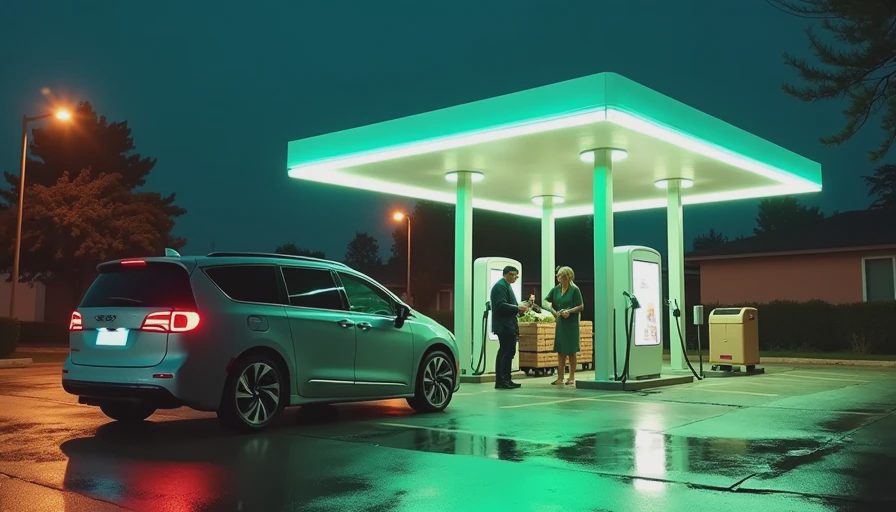
Home charging is what makes a plug in hybrid minivan worthwhile. A standard 120-volt outlet can work for overnight charging if your daily driving is modest, although a full recharge can take many hours. A 240-volt Level 2 charger is faster and more convenient, but installation can cost several hundred dollars to more than $1,000 depending on the electrical panel, wiring distance, and local labor.
Before buying, identify the parking spot you will actually use. Can the charging cable reach it? Is the outlet weather-protected? Will another household member unplug the car before morning? These small details decide whether charging becomes effortless or another chore.
You can also compare your electricity rate with local gasoline prices. Charging overnight during a lower-cost utility period can improve the math, but the savings depend on your rates and how often you drive. Ask for a written estimate before installing equipment, and remember that the vehicle can still operate on gasoline when charging is not available.
Comfort, safety, and the details nobody puts first
A family vehicle is a daily room on wheels, so comfort deserves serious attention. Bring the car seats, booster seats, stroller, and the bag you normally carry. Test whether children can climb into the third row without twisting around an awkward seat. Sit in every passenger position for at least a few minutes, including the center seat if that matters for your household.
Look for easy-to-clean upholstery, wide-opening doors, reachable cupholders, and climate controls that passengers can use without distracting the driver. A plug in hybrid minivan may have a battery beneath the floor or seats, so inspect cargo height and underfloor storage rather than assuming a familiar body style has identical space.
Safety technology can reduce stress, but it does not replace attention. Forward collision warning, automatic emergency braking, lane-keeping assistance, and blind-spot alerts are useful tools. Take a test drive in a parking lot and on a normal road so you can learn how strongly the alerts react before committing.
How ownership costs can change the decision
The purchase price of a plug in hybrid minivan is often higher than a comparable gasoline model, and battery-related components can make repairs more complex. That does not automatically make it a poor value. If most of your weekly miles are electric, you could buy less gasoline and experience smoother, quieter local driving. You still need to budget for tires, brakes, maintenance, registration, charging equipment, and eventual battery warranty questions.
Request insurance quotes using the exact vehicle identification number or a precise trim. A more expensive vehicle can cost more to insure because collision and comprehensive coverage consider repair and replacement costs. Liability coverage pays for injuries or property damage you cause to others, while collision coverage addresses damage from a crash and comprehensive coverage generally addresses risks such as theft, hail, falling objects, or animal strikes. Your deductible is the amount you pay before covered repairs begin.
Ask several insurers, including national companies such as State Farm, GEICO, Progressive, and regional carriers. Rates can differ substantially by driver history, location, limits, deductible, and vehicle trim. Raising a deductible from $500 to $1,000 can reduce a premium, but only choose that option if the larger out-of-pocket bill would not disrupt your budget.

A simple test-drive and quote checklist
Start with your real routine. Write down an average weekday mileage, the longest regular trip, and whether home charging is available. Then use this checklist:
- Plug the vehicle into the outlet you expect to use and confirm the charging connection feels practical.
- Install every car seat and check access to the third row.
- Fold, slide, or remove seats while standing outside the vehicle, not just from the driver’s seat.
- Test the backup camera, parking sensors, sliding doors, and liftgate with your hands full.
- Drive with the climate control running and listen for road noise on both streets and highways.
- Get insurance quotes for at least two deductibles and compare the same liability limits.
- Ask about maintenance intervals, battery coverage, roadside assistance, and loaner-vehicle terms.
This process often reveals that the lowest advertised price is not the lowest ownership cost. A slightly higher trim with better parking technology and a more comfortable second row can be worth it if you use the van every day.
Is this the right family vehicle for you?
A plug in hybrid minivan makes the most sense when you have reliable overnight parking, predictable short trips, and occasional long drives. It can give you quiet electric errands without asking you to map charging stations across every vacation route. It is less compelling if you cannot charge at home, drive mostly on highways, or prefer a smaller vehicle with lower purchase and repair costs.
Take your time with the comparison. Bring a friend, ask the questions that feel embarrassingly specific, and trust the details that make your shoulders relax when you picture a busy morning. The best plug in hybrid minivan is not the one with the longest feature list. It is the one that carries your people, your stuff, and your real life without creating a new daily headache.
Tell us what matters most in your search: electric commuting, flexible seating, road-trip confidence, or keeping the monthly payment under control?
No comments yet.