Sisters, question for you: are you drawn to a pickup because you genuinely need the utility, or because you love the way a truck looks in your driveway? A short bed truck can offer a very appealing middle ground. You get an open cargo box, a higher driving position, and useful towing ability without committing to the longest, hardest-to-park pickup on the market. The trick is making sure the smaller bed fits your actual routine.
What makes a short bed truck different?
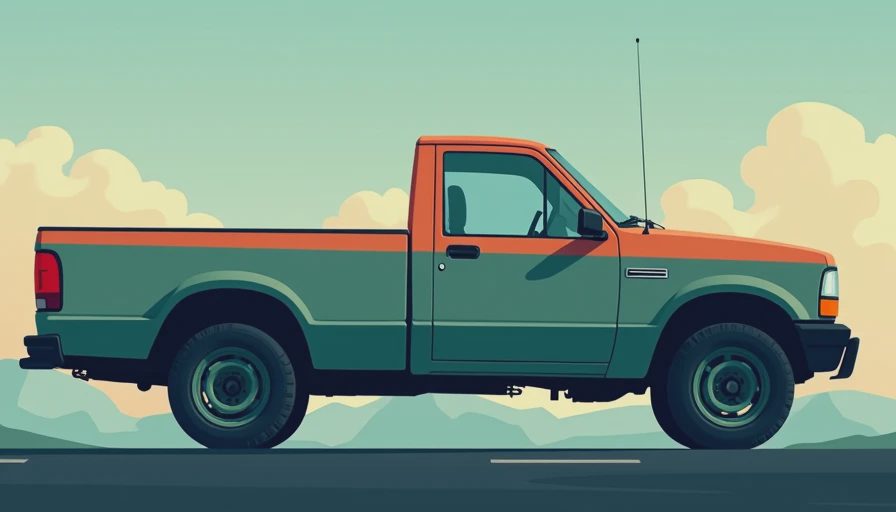
A short bed truck typically has a cargo box around five to six feet long, depending on the brand and cab configuration. Exact dimensions vary. A Ford F-150 SuperCrew with a 5.5-foot bed feels different from a Toyota Tacoma Double Cab with a five-foot bed, even though both fit the general category.
That shorter length is not just a specification on a sales page. It changes how the truck behaves. A shorter wheelbase, which is the distance between the front and rear axles, often makes tight parking garages, narrow streets, and U-turns less stressful. You still sit higher than you would in a sedan, but the vehicle does not feel quite as oversized as a heavy-duty pickup with an eight-foot box.
The tradeoff is cargo planning. A standard bicycle, sheet of plywood, or several large storage bins may need to sit at an angle, use the tailgate, or ride under a tonneau cover. If your regular cargo includes landscaping materials, furniture, or long renovation supplies, measure everything before buying. A five-foot bed can be wonderfully practical, but it cannot become an eight-foot bed through optimism.

Choosing the right cab and size
When shopping for a short bed truck, start with the cab rather than the trim package. An extended cab can provide occasional rear seating and more bed length, while a crew cab gives adults much more comfortable back-seat space. For a family, a crew cab may be worth prioritizing even if it reduces bed length slightly.
A Ram 1500, Chevrolet Silverado 1500, GMC Sierra 1500, and Ford F-150 offer full-size comfort and strong towing choices. The Honda Ridgeline has a more carlike ride and a clever in-bed trunk, which can be useful for groceries, emergency supplies, or muddy gear. The Toyota Tacoma, Ford Ranger, Nissan Frontier, and Chevrolet Colorado are smaller options that can feel easier to manage in urban neighborhoods.
Think about your parking space, too. Measure the garage opening, driveway depth, and turning room. A truck can technically fit inside while still making it impossible to walk around the front or open the tailgate. Bring a tape measure to the dealership. That is not overthinking; it is how you avoid an expensive daily annoyance.
Match the truck to your real cargo
The best short bed truck is not necessarily the one with the highest tow rating. It is the one that handles your most common jobs without creating extra work. A dog owner might care more about a washable rear seat and an easy step-up than maximum payload. Someone who camps may prioritize 12-volt outlets, an available bed outlet, and tie-down points.
For occasional hardware-store trips, a bed extender can support longer items when the tailgate is down. A locking tonneau cover can protect luggage and tools from weather while making the bed less tempting to thieves. A spray-in bedliner usually costs more than a basic drop-in liner, but it can provide a durable surface for gravel, mulch, and wet equipment.
Pay attention to payload, which is the weight of passengers and cargo the truck can carry. Towing capacity does not tell the whole story. Four adults, a loaded cooler, a toolbox, and a trailer tongue can use payload faster than expected. Ask the dealer for the specific vehicle's door-jamb payload label rather than relying on a general advertisement.
Comfort, safety, and everyday driving
A pickup should feel comfortable during the boring parts of life: commuting, school runs, grocery shopping, and waiting in traffic. Test the step-in height with the shoes you actually wear. Check whether you can see the hood edges, reach the climate controls, and adjust the steering wheel without stretching.
Modern driver-assistance features can make a large vehicle less intimidating. Blind-spot monitoring, rear cross-traffic alert, a clear backup camera, and front parking sensors are especially helpful when the bed blocks part of the rear view. These systems assist the driver; they do not replace shoulder checks or careful mirror adjustment.
If you carry children, bring the car seats to the test drive. Try every latch point and check whether the front passenger seat must move forward. For pets, inspect the rear-floor space and window controls. A truck can look rugged and still be a poor match for your passengers' comfort.
Insurance and ownership costs
Insurance for a short bed truck depends on the model, location, driver history, coverage limits, repair costs, and theft risk. A midsize pickup is not automatically cheaper to insure than a full-size model, and a newer truck with expensive sensors can cost more to repair after a collision.
When comparing quotes, use the exact year, trim, and vehicle identification number when available. Ask for matching liability limits across every quote so the prices are genuinely comparable. Collision coverage helps pay for damage to your truck after a covered crash, while comprehensive coverage generally addresses non-collision losses such as theft, hail, falling branches, or vandalism. A deductible is the amount you pay before that coverage contributes.
Get quotes before signing a purchase contract. A difference of $30 to $80 per month can change the ownership math, especially when combined with a $600 to $1,000 truck payment, fuel, tires, maintenance, and registration. GEICO, Progressive, State Farm, and local independent agents may all price the same pickup differently because each uses its own underwriting factors.
A simple test-drive checklist
Before choosing a short bed truck, spend at least 30 minutes with the vehicle instead of taking a quick loop around the block. Drive through a parking garage or a similarly tight area if the dealer permits it. Listen for wind noise, test the turning radius, and check how easily you can see the rear corners.
Then load your life into the decision. Measure the items you carry most often. Sit in every seat. Open the tailgate with one hand. Test the bed lights, tie-downs, camera views, and storage compartments. If you tow, ask to see the hitch rating and available trailer-brake controls.
Finally, compare the out-the-door price, financing terms, insurance quote, fuel expectations, and accessory costs. A $2,000 discount can disappear quickly if you need a $1,500 bed cover, running boards, and a higher insurance premium. The right short bed truck should feel useful on a Tuesday, not only exciting on the day you bring it home.
For many drivers, this format delivers the best balance of personality and practicality. It can handle weekend projects, road trips, pets, and daily errands while remaining easier to live with than a long-bed work truck. Tell us what you would carry in yours first: bikes, camping gear, garden supplies, or something completely unexpected?
No comments yet.