Sisters — question for you: have you ever turned the steering wheel into a corner, only to feel the car keep drifting toward the outside of the lane? That sensation is understeer. It can feel startling, especially when the road is wet or you are driving an unfamiliar car, but understanding what is happening makes it much easier to respond calmly.
Understeer means the front tires have less grip than the rear tires during a turn. Because the tires cannot follow the steering angle you requested, the vehicle takes a wider path than expected. People sometimes call this “pushing” or “plowing” through a corner. It can happen in a front-wheel-drive sedan, a family SUV, or a performance car. It is not limited to a particular price point or body style.
What causes understeer?
A tire can only provide so much grip at one time. If you enter a curve too quickly, the front tires must handle cornering forces while also helping slow or accelerate the vehicle. Once their available traction is exceeded, the tires begin sliding slightly across the pavement instead of rolling exactly where you point them. That is understeer.
Speed is a common trigger, but it is not the only one. Braking hard while turning shifts weight toward the front, which sounds helpful, yet excessive braking can overwhelm the front tires. Accelerating sharply in a front-wheel-drive car can also ask the front tires to steer and deliver engine power at the same moment. Cold pavement, standing water, worn tread, low tire pressure, and gravel can reduce grip even at a moderate speed.
The road itself matters. A downhill corner, a decreasing-radius bend, or a curve with a slick patch can surprise even an attentive driver. A loaded cargo area, a roof box, or a heavy passenger may change how the car feels, although those factors do not automatically create a problem. The key is that the tires are being asked to do more than the available traction allows.
How understeer feels from the driver’s seat
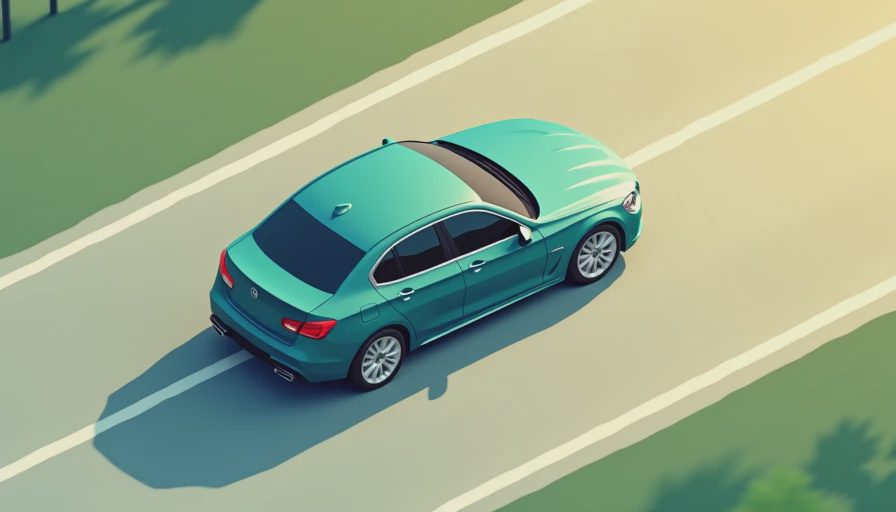
Understeer usually announces itself through the steering wheel and the car’s path. You turn the wheel, but the nose does not point toward the inside of the corner as quickly as expected. The steering may feel lighter, and you might notice the vehicle moving toward the outside edge of the lane. In a front-wheel-drive car, you may also hear the front tires squeal or feel them scrabble for grip under acceleration.
That experience is different from oversteer, where the rear of the vehicle begins moving outward and the car rotates more than intended. With understeer, the front of the car is running wide. This distinction matters because the instinctive response to both situations can be wrong. Adding more steering input does not magically create more traction. In fact, it can make recovery slower because the tires remain overloaded.
You may notice understeer sooner in a tall crossover than in a low sports coupe because the body can feel less settled during quick direction changes. Modern stability-control systems can reduce the severity by applying individual brakes or reducing engine power, but they do not cancel the laws of physics. A warning light or a pulsing brake pedal means the system is intervening, not that the road has become safe for extra speed.
What to do when your car runs wide
The safest response is usually to stay composed, ease off the accelerator, and gently reduce steering input. That gives the front tires a better chance to regain grip. Do not jerk the wheel farther toward the corner, and do not stomp on the brakes while making a large steering correction. A smooth reduction in speed is more useful than a dramatic reaction.
Look where you want the car to go, not at the curb, guardrail, or parked vehicle. Once the tires recover traction, steer through the curve with smaller, deliberate inputs. If the road is wet, leave extra space and avoid sudden changes in throttle or braking. If you are on a public road, your goal is not to “save” the corner impressively; it is to create enough margin for the car to return to its intended path.
A practical example: imagine entering a left-hand bend at 45 mph when 35 mph would have been more comfortable. The front tires begin sliding and the car drifts toward the right side of the lane. Holding a steady, slightly reduced steering angle while lifting gently from the accelerator can help the tires reconnect. Once the car responds, continue slowing smoothly and reassess the road ahead.
How tires and maintenance affect grip
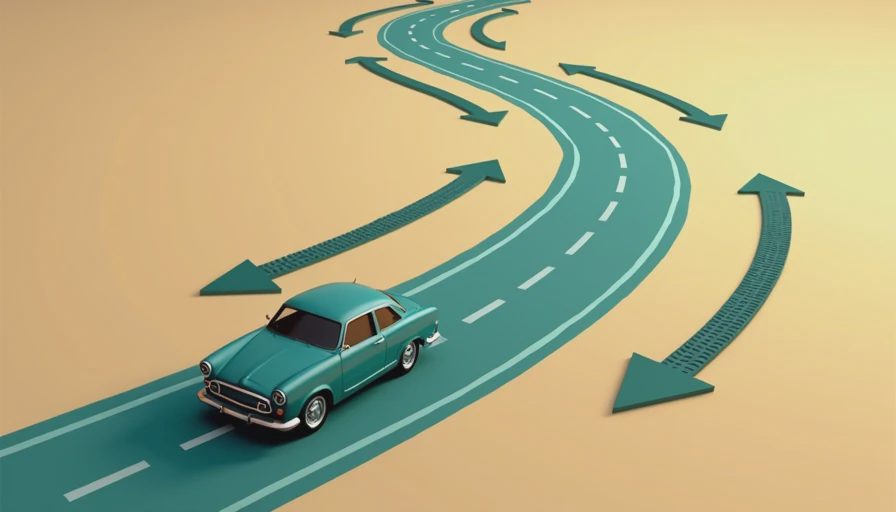
Tires are your car’s only contact with the road, so their condition has a direct effect on understeer. Check pressure when the tires are cold and follow the vehicle manufacturer’s door-jamb recommendation rather than the maximum number molded into the tire sidewall. Underinflation can make steering feel vague, while uneven pressure between tires can change the car’s balance.
Inspect tread depth, cracks, bulges, and uneven wear. Front tires that are worn on their shoulders or showing cupping deserve attention before a long trip. Tire age also matters because rubber hardens over time, even when tread remains. All-season tires are practical for many U.S. drivers, but a dedicated winter tire can offer substantially better cold-weather grip where temperatures regularly fall near freezing.
Alignment and suspension condition deserve a place on your maintenance list. A pothole can knock the alignment out of specification, causing the car to pull or wear tires unevenly. Worn shocks, damaged steering components, or incorrect tire sizing can affect stability. If the vehicle suddenly feels different after a tire replacement or repair, have the work checked instead of adapting to the new behavior.
Can you prevent understeer?
You cannot prevent every loss of traction, but you can reduce the chances. Slow before the corner instead of braking heavily halfway through it. Use a gentle throttle once the car is pointed toward the exit. Scan for rain, leaves, oil, ice, loose gravel, and shadows that may hide changing pavement. Give yourself a wider safety margin at night, in construction zones, and on unfamiliar roads.
Driver-assistance features are helpful, not permission to push harder. Electronic stability control, traction control, and anti-lock brakes can support recovery, but they need reasonable inputs and usable tire grip. Read your owner’s manual so you know what dashboard symbols mean. Some vehicles allow certain systems to be reduced for specific conditions, but everyday street driving generally calls for leaving safety systems active.
If you want to learn car control beyond ordinary commuting, choose a reputable driver education or autocross program with instructors and a controlled environment. Practicing emergency maneuvers on public roads is not worth the risk. A structured class can show how steering, braking, and throttle interact without turning a neighborhood street into a test track.
A calm checklist for your next drive
Before setting out, check tire pressure, clear the windshield, and adjust your seat so your arms remain comfortably bent. During a turn, reduce speed early, keep both hands available, and make one smooth steering input. If the vehicle starts running wide, ease off the gas, reduce steering slightly, and look through the turn. Let the car regain grip before asking it to change direction again.
Remember that understeer is information, not a judgment about your driving ability. It tells you the front tires have reached their current limit. Treat that message with respect, make the correction gradual, and give yourself more time and space on the next corner. The best drivers are not the ones who never encounter understeer; they are the ones who recognize it early and respond without panic.
Have you felt understeer in a sedan, SUV, or sports car? Tell the Her Garage community what happened, what the road was like, and how the car responded.
No comments yet.