Sisters, question for you: what is the first thing you pack before a long drive? For me, it is road trip snacks. A good playlist can set the mood, but a hungry driver with a melting granola bar on her lap is not having the peaceful adventure she pictured. The best choices are easy to reach, unlikely to spill, and satisfying enough to carry everyone between stops.
Whether you are driving to the beach, visiting family two states away, or making the trip to a weekend concert, a little planning makes the car feel calmer. Here is how to pack road trip snacks that work for real life, including warm weather, back-seat passengers, and the tiny cupholders that somehow hold everything except the thing you need.
Start with a balanced snack mix
The smartest road trip snacks cover a few different cravings instead of giving you one giant bag of cookies. Pack something salty, something sweet, something with protein, and something fresh. That combination helps the snack bag feel interesting without turning every mile into a sugar crash.
For salty options, try lightly seasoned popcorn, whole-grain crackers, pretzels, roasted chickpeas, or individual bags of trail mix. Cheese crisps can be a good choice when you want crunch without a refrigerated item. For sweetness, dried mango, apple slices with a small packet of nut butter, dark chocolate pieces, and oatmeal bites travel well.
Protein is especially helpful on a longer drive. Jerky, roasted edamame, sunflower seeds, peanut butter packets, and shelf-stable protein bars are easy to portion. If you bring nuts, remember that a passenger could have an allergy, so ask before opening a shared container. A small cooler can hold grapes, berries, string cheese, hummus cups, and hard-boiled eggs for the first part of the trip.

Pack for the car you actually drive
Your vehicle matters more than people admit when you are choosing road trip snacks. In a compact sedan, a soft-sided cooler can fit behind the passenger seat, while a three-row SUV gives you room for a larger bin. Avoid packing everything into a deep grocery bag. After two hours, the snack you want will be at the bottom under napkins, charging cables, and someone’s sweatshirt.
Use one small lidded container for dry items and one insulated bag for chilled food. Put the items you expect to eat first on top. Reusable silicone bags are useful because they flatten after they are empty, and a shallow tray keeps wrappers from sliding under the brake pedal area. Never place loose bottles or containers near the driver’s feet.
Road trip snacks should also match the temperature outside. Chocolate melts quickly in a parked car, while yogurt and cut fruit need reliable cooling. On a hot day, freeze a water bottle overnight and use it as an ice pack. In winter, protect drinks from freezing if you are carrying cans or glass containers. A few paper towels and a sealable trash bag can save the interior from a sticky disaster.
Easy ideas for different kinds of travelers
For the driver, choose one-handed options that do not crumble everywhere. A banana, cheese stick, turkey stick, or small bag of pretzels is easier to manage than a burrito wrapped in foil. If you are driving alone, pull over before opening anything complicated. No snack is worth taking your attention off the road.
For kids, road trip snacks work best when they are divided into small portions. Put crackers, fruit snacks, and cereal into separate containers rather than handing over a family-size bag. A little variety helps prevent the classic “I am hungry” chorus ten minutes after a rest stop. For adults, pack coffee-shop style treats such as mini croissants, flavored sparkling water, or dark chocolate-covered almonds.
If anyone gets carsick, keep the food plain and the portions small. Saltines, ginger chews, applesauce pouches, and cold water are often easier than greasy foods. Keep a second bag with tissues, wipes, mints, and a spare shirt. That kit is not glamorous, but it is the difference between a minor mess and an emergency exit ramp search.
Make a snack stop instead of a snack scramble
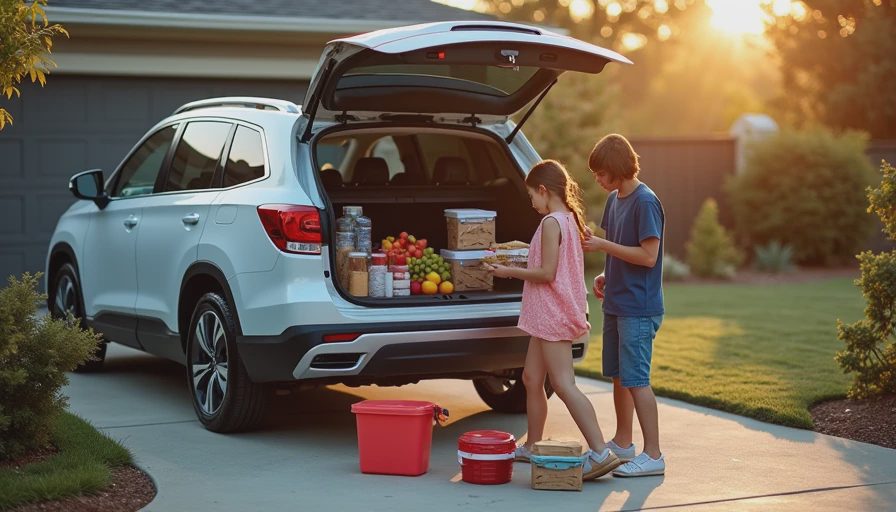
A planned snack stop gives everyone a chance to stretch, use the restroom, and reset. Before leaving, estimate when you will stop and place a few road trip snacks in an accessible tote. You do not need a rigid itinerary; even a rough plan keeps you from buying the first overpriced items you see at a gas station.
At a convenience store, look for refrigerated fruit, cheese, plain popcorn, nuts, and water before reaching for the largest candy display. A protein bar can cost several dollars at a travel plaza, while a multipack from a grocery store often brings the per-serving price closer to one dollar. Buying ahead can save $15 to $30 on a family drive, depending on how many people are riding along.
Still, leave room for one local treat. Part of a road trip is trying something you would not normally buy at home. The goal is not a perfect diet; it is having enough dependable food that one impulse purchase feels fun instead of necessary.
Keep the cleanup simple
The best road trip snacks create less trash than they seem to. Pack reusable containers, cloth napkins, and a compact trash bag that hangs from the back of a seat. Empty it whenever you stop for gas. If wrappers collect in the door pocket, they can slide under the seat and become an annoying mystery for months.
Choose containers with secure lids, but avoid filling them to the very top. Pressure changes, rough pavement, and a sudden turn can push food into the seal. Cut sandwiches into halves and wrap each half separately. That makes sharing easier and prevents one large sandwich from becoming a pile of crumbs.
A small cooler thermometer is helpful if you are carrying perishable food for several hours. Keep chilled items cold and discard anything that has been sitting warm for too long. When in doubt, buy a fresh replacement at the next stop rather than gambling with an upset stomach far from home.
A simple packing plan for tomorrow’s drive
The night before, write down the number of passengers and the expected driving time. Plan about two snack portions per person for a short day trip, then add extra water and one backup item. Fill the cooler, charge your phone, and put the snack tote where the passenger can reach it without opening the trunk.
For a four-hour drive, a practical mix might include popcorn, grapes, turkey sticks, granola bars, crackers, chocolate, and six bottles of water. For a full-day trip, add sandwiches or wraps in a separate cooler and schedule a real meal. These road trip snacks are there to support the journey, not replace lunch or dinner.
Before you pull out, check that drinks are closed, the trash bag is ready, and the driver has a clear view and clear footwell. Then choose a favorite playlist, settle into the seat, and let the miles unfold. Which road trip snacks are always in your car, and which one disappears first?
No comments yet.