Sisters, question for you: do you want a three-row SUV that can handle school pickup, a muddy trailhead, and a long weekend without feeling like a giant beige box? The vw atlas peak edition is built around that exact idea. It takes the roomy Volkswagen Atlas and adds a more outdoorsy personality, with rugged styling and equipment aimed at drivers who want everyday comfort with a little extra attitude.
That does not automatically make it the right SUV for everyone. The important questions are more personal: Can you fit the people and gear you carry? Is the third row genuinely usable? Do the features justify the price? And will the styling still make you smile after the novelty wears off? Let’s walk through the details the way we would at a coffee table, not a dealership desk.
What makes the vw atlas peak edition different?
The vw atlas peak edition is best understood as an appearance and equipment-focused version of the Atlas rather than a completely separate vehicle. Depending on the model year, it can include unique exterior accents, dark trim, special wheels, all-terrain-inspired tires, and Peak Edition badging. Some versions also offer practical additions such as a trailer hitch or upgraded roof rails, but equipment can change by year and configuration.
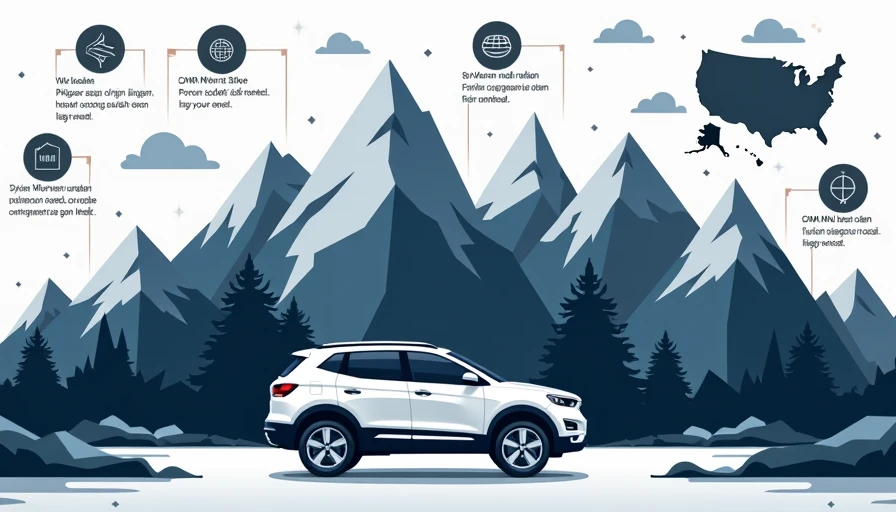
The visual difference is the big draw. Instead of looking like a standard family crossover wearing its sensible shoes, this Atlas leans into a weekend-adventure look. The higher-contrast trim and rugged details work well in colors such as deep blue, gray, or white. It is still a large SUV, but the design feels more intentional than a generic commuter vehicle.
One thing to remember: rugged appearance is not the same as serious off-road capability. The Atlas is comfortable on gravel roads, snowy streets, campgrounds, and uneven parking areas. It is not a substitute for a specialized four-wheel-drive vehicle on difficult trails. That distinction helps set realistic expectations before you fall for the look.
How does it feel for everyday driving?
For daily life, the Atlas’s biggest strength is space. The front seats provide a broad, upright view, which many drivers appreciate when navigating crowded parking lots or merging into busy traffic. The second row is roomy enough for adults, car seats, or a combination of both. Access to the third row is also easier than in many midsize SUVs because the rear doors open wide and the second-row seats can slide forward.
The third row is still best for children and smaller adults, especially on longer trips. It is useful to have, but you should test it with the actual passengers in your life. Bring a child seat, a backpack, and the shoes you normally wear. A quick showroom sit can hide the small frustrations that become obvious during a two-hour drive.
Cargo space is flexible rather than magical. With all seats in use, you can carry groceries, soft bags, or a compact stroller. Fold the third row and the Atlas becomes much more useful for luggage, sports equipment, home-improvement purchases, or a dog crate. The flat load floor can make a meaningful difference when you are loading alone.
Comfort, technology, and the little things
The vw atlas peak edition makes the most sense for someone who spends a lot of time in her vehicle. Seat comfort, wide-opening doors, storage bins, cupholders, and a clear view over traffic matter more than a dramatic horsepower number when the SUV is part of your daily routine. The Atlas generally feels calm and substantial on the highway, especially when you are carrying passengers.
Technology depends on the year, but look for a touchscreen infotainment system, smartphone integration, multiple USB ports, and available navigation or upgraded audio equipment. Before buying, pair your phone and try the controls while parked. A system can look polished in a brochure but feel irritating if basic functions require too many taps.
Driver-assistance features are another area to inspect carefully. Forward collision warning, automatic emergency braking, blind-spot monitoring, and adaptive cruise control can reduce stress on busy roads, but standard and optional equipment varies. Read the window sticker instead of assuming a feature is included because it appears in an online photo.
Engine, traction, and ownership expectations
The vw atlas peak edition typically uses the same general powertrain choices as the Atlas lineup for its model year. That can mean a turbocharged four-cylinder in newer versions or a V6 in earlier examples. The four-cylinder can provide strong everyday response, while the V6 may appeal to shoppers who tow or prefer its familiar feel. Drive both if possible, especially with a passenger in the third row.
All-wheel drive is useful for rain, snow, loose gravel, and steep driveways, but it does not eliminate the need for appropriate tires or careful driving. Front-wheel drive can be perfectly sensible if your roads are mostly clear and you want to reduce purchase and fuel costs. The best choice depends on your climate, commute, and weekend plans rather than the badge on the liftgate.
Fuel spending deserves a realistic look. A large three-row SUV will generally cost more to fill than a compact crossover, particularly in city traffic or when loaded with passengers and cargo. Ask for service records on a used model, confirm tire condition, inspect the underbody, and budget for routine maintenance. A pre-purchase inspection costing roughly $150 to $250 can be money well spent.
Pricing, insurance, and finding the right example
New and used prices for the vw atlas peak edition can differ substantially based on model year, mileage, drivetrain, location, and dealer pricing. A newer example with low miles and popular options may command a noticeable premium over a similarly equipped regular Atlas. A used vehicle can offer better value, but compare its price with newer financing offers before deciding.
Get insurance quotes using the exact vehicle identification number when you can. An SUV’s premium depends on more than its purchase price, including your driving record, location, coverage limits, deductible, credit-based insurance rating where permitted, and repair costs. Raising a deductible from $500 to $1,000 can lower a premium, but only choose that option if you could comfortably cover the larger out-of-pocket bill after a claim.
Also price the practical extras. A roof box, all-weather mats, winter tires, and a hitch-mounted bike rack can add hundreds or more to the ownership plan. Those accessories are not reasons to walk away, but they belong in the budget alongside taxes, registration, fuel, and maintenance.
Who should buy the vw atlas peak edition?
The vw atlas peak edition is a strong fit for a driver who wants three rows, generous passenger room, comfortable highway manners, and styling that feels more adventurous than ordinary. It works especially well for families, friend groups, and anyone who regularly carries bulky gear but does not want a full-size SUV.
It may not be the best choice if your priorities are maximum fuel economy, a genuinely compact footprint, or serious rock-crawling ability. A Toyota Highlander Hybrid, Honda Pilot, Subaru Ascent, or Kia Telluride may deserve a place on your comparison list, depending on whether efficiency, trail confidence, cabin layout, or feature value matters most.
Before signing, take a long test drive, fold every row, measure your garage, review the equipment list, and request an insurance quote. Then ask yourself the simplest question: does this SUV make your real life easier and a little more fun? If the answer is yes, the vw atlas peak edition could be a very comfortable partner for daily errands and weekend escapes.
No comments yet.