Sisters, question for you: do you want an SUV that can handle a muddy trail on Saturday and a grocery run, school pickup, or downtown parking garage on Monday? The Subaru Wilderness Outback makes a strong case for that exact balance. It looks tougher than a standard wagon, offers useful ground clearance, and still feels friendly enough for daily driving. For women who want capability without climbing into a huge truck-based SUV, this could be a very appealing middle ground.
What makes the Wilderness trim different
The Subaru Wilderness Outback is not simply an Outback with a darker badge and some rugged-looking accessories. The Wilderness trim is designed for drivers who spend more time on gravel, snow, forest roads, and uneven driveways. It typically includes increased ground clearance, all-terrain tires, revised suspension tuning, protective body cladding, and a front design that gives it a more outdoorsy personality. Subaru's standard all-wheel-drive system is also central to the appeal.
That extra height can make rough roads less stressful, but it does not transform the Outback into a rock-crawling machine. Think of it as a confident road-trip partner that can reach a campsite, trailhead, cabin, or snowy weekend destination without requiring a separate off-road vehicle. The turbocharged engine available in recent Wilderness models provides stronger passing power than the base engine, especially when the car is loaded with passengers, bags, and outdoor gear.
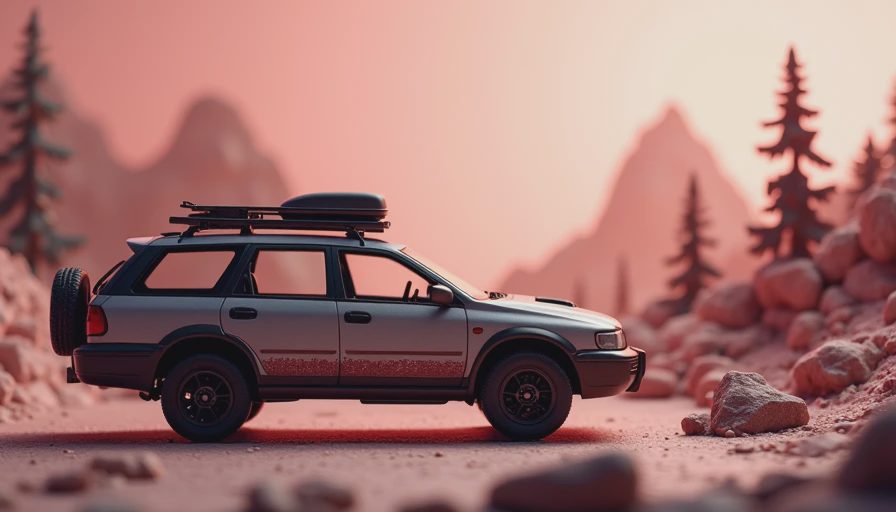
The visual changes matter too. Copper-colored accents, tougher-looking bumpers, roof rails, and chunkier tires give the car personality without making it feel cartoonish. If you like the idea of an adventure vehicle but do not want every commute to feel like a military exercise, the design lands in a sweet spot.
How it feels as an everyday car
The best thing about the Subaru Wilderness Outback may be how ordinary it feels when adventure is not on the calendar. The seating position gives you a clear view over traffic, yet the vehicle is not as intimidating as a full-size SUV. The rear seat is useful for adults, car seats, or a pair of friends, and the liftgate opens to a practical cargo area for luggage, sports equipment, pet supplies, or a large grocery haul.
Ride comfort is generally composed, though the all-terrain tires can create more road noise than the tires on a standard Outback. That is a fair trade if you regularly drive on gravel or snowy roads, but it is something to notice during a quiet test drive. The cabin has a durable, wipeable feel that suits muddy boots and weekend messes. Bring your own water bottle, handbag, and jacket when you shop; test whether the center console and door pockets actually work for your routine.
The large portrait-style touchscreen in recent versions puts many functions in one place. It can look modern, but menus are not always as quick to use as traditional physical controls. Spend ten minutes adjusting climate settings, pairing your phone, and checking camera views before you commit. A car should not make you hunt through a screen for basic comfort.
Capability without the intimidation factor
A major appeal of the Subaru Wilderness Outback is confidence. All-wheel drive can help maintain traction when roads are slippery, while the extra clearance reduces worry about deep ruts, snow buildup, or a steep gravel entrance. Those features do not cancel the laws of physics, and good tires plus sensible speed still matter, but they can make changing weather feel less dramatic.
The roof rails are especially useful for people who carry bikes, skis, kayaks, or a cargo box. Check the exact roof-weight guidance for the model year and equipment you choose rather than assuming every setup is interchangeable. Inside, the flat-folding rear seats create room for camping bins, a small piece of furniture, or a weekend's worth of luggage.
Towing capacity is higher than some compact crossovers, but the correct limit depends on the configuration and equipment. If you plan to tow a small trailer, verify the vehicle's rating and budget for the right hitch, wiring, and trailer brakes where required. This is a capable lifestyle vehicle, not a replacement for a heavy-duty pickup.
Comfort, safety, and visibility
The Subaru Wilderness Outback works well for drivers who put comfort and confidence ahead of flashy speed. The elevated seating position provides a useful view, and Subaru's driver-assistance package commonly includes features such as adaptive cruise control, lane-centering assistance, and forward collision warning. These systems are support tools, not substitutes for attention, but they can reduce fatigue on a long highway trip.
Try the driver's seat with the steering wheel adjusted exactly where you like it. Check whether the seat cushion supports your legs, whether the rear headrests block your view, and whether you can reach the screen without leaning forward. If you have a regular passenger, bring them along. A vehicle can feel spacious from the driver's seat while feeling cramped in the back.
Do not skip the nighttime portion of a test drive if possible. Notice headlight coverage, mirror visibility, backup-camera clarity, and how easy it is to judge the front corners. Those small details often matter more than a brochure feature when you are leaving work after dark or navigating a crowded parking lot.

Ownership costs and auto insurance
Pricing for a new Subaru Wilderness Outback is usually above a basic compact crossover, especially once destination charges, taxes, roof accessories, and dealer-installed extras enter the picture. A used model can provide better value, but compare mileage, tire condition, service records, and any evidence of underbody damage from rough-road use. Four replacement all-terrain tires can cost several hundred dollars, so worn rubber deserves attention during a purchase inspection.
Insurance also deserves a place in your budget. The premium depends on your location, driving record, age, coverage choices, annual mileage, credit-based insurance factors where allowed, and the vehicle's repair profile. A typical quote should show liability coverage, collision coverage for crash damage, comprehensive coverage for events such as theft, hail, or animal strikes, and the deductible for each option.
Before signing, request quotes from several insurers, including familiar names such as State Farm, GEICO, Progressive, and local carriers. Rates can differ substantially for the same Subaru. Raising a deductible from $500 to $1,000 can reduce the premium, but only choose that option if you could comfortably pay the larger amount after a covered loss. Bundling renters or homeowners insurance may also help, and safety equipment can influence pricing without guaranteeing a discount.
Which driver should buy it?
The Subaru Wilderness Outback makes sense for someone who wants one vehicle to cover commuting, road trips, winter weather, pets, outdoor hobbies, and imperfect roads. It is especially compelling if you like a higher driving position but do not want a bulky three-row SUV. The long roof and wagon-like shape make it easier to load than many sharply sloped crossovers, while the cabin remains approachable for everyday errands.
It is less convincing if your priorities are silent highway cruising, maximum fuel economy, luxury materials, or quick acceleration above everything else. The rugged tires can add noise, and the turbocharged powertrain can use more fuel than a smaller engine. A Toyota RAV4 Adventure, Honda Passport, Mazda CX-50, or Ford Bronco Sport could also belong on your test-drive list, depending on whether you value efficiency, interior polish, space, or off-road hardware.
The smartest comparison is personal. Put your own stroller, suitcase, gym bag, or dog crate in the cargo area. Sit in the back seat. Price the insurance before you fall in love with the color. Then drive the route you actually take, not only a smooth dealership loop.
A simple buying checklist
Start by choosing the model year and deciding whether you want new-car warranty coverage or the lower purchase price of a used vehicle. Review the window sticker for the exact engine, technology, roof equipment, and destination charge. Ask the dealer for an out-the-door price that includes taxes and fees, not just a monthly payment.
Next, call your insurer with the vehicle identification number and compare coverage limits. Ask about collision and comprehensive deductibles, rental-car coverage, roadside assistance, and whether aftermarket roof gear needs separate consideration. Obtain at least three quotes before you negotiate the car price, because a small monthly insurance difference can add up over several years.
Finally, schedule a pre-purchase inspection for any used example. Look underneath for scrapes, check tire wear for uneven patterns, confirm maintenance records, and test every driver-assistance feature. The right Subaru Wilderness Outback should feel like an invitation to go somewhere, not a list of compromises you hope to tolerate.
No comments yet.