Sisters, question for you: when did family transportation become so much about compromise? An electric minivan could be the answer for drivers who want generous space, a quiet cabin, easy access, and lower day-to-day fuel costs without moving into a huge SUV. The category is still growing, but it already deserves a close look if your routine includes school drop-offs, grocery runs, road trips, or transporting adults who appreciate a comfortable second row.
Why an electric minivan makes sense
The best reason to consider an electric minivan is not novelty. It is the way electric power fits naturally into repetitive driving. If most of your miles happen around town, you can charge at home overnight and start the morning with a full battery. There is no weekly gas station stop, no oil change for the engine, and no idling vibration while someone searches for a missing water bottle.
Electric motors also deliver immediate, smooth power. That matters when you are merging onto a busy highway with a full cabin or climbing a parking garage ramp. The experience feels calm rather than dramatic, which is exactly what many families want. Regenerative braking, a system that recovers some energy when the vehicle slows, can also make stop-and-go traffic feel less tiring.
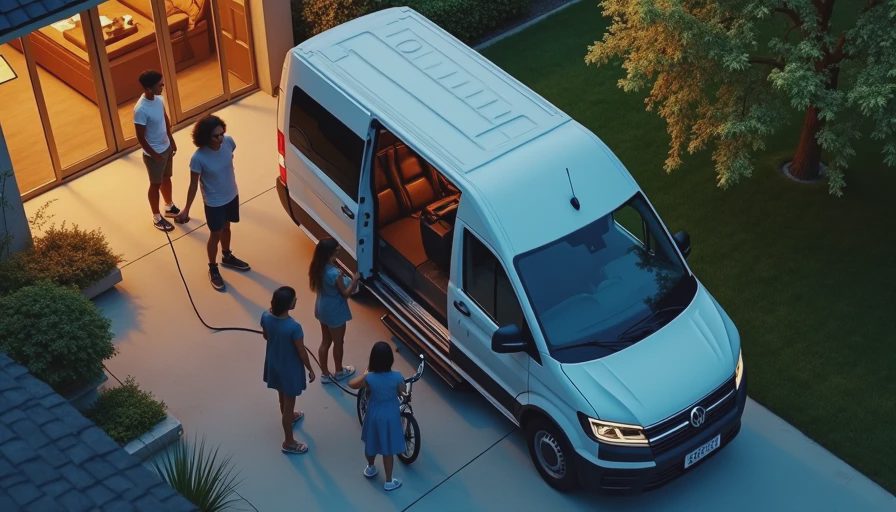
Space is the other major attraction. Sliding doors are genuinely useful in narrow parking spaces, crowded school pickup lines, and garages where a conventional door could bump another vehicle. A low floor can make loading bags, strollers, sports equipment, and mobility aids easier. Before shopping, measure your garage and compare the vehicle's width with the space around your current car.
Models and features worth comparing
The electric minivan conversation often starts with the Chrysler Pacifica Plug-In Hybrid, but remember that a plug-in hybrid is not a fully electric vehicle. It can drive on electric power for shorter trips and then use gasoline when the battery is depleted. That setup may suit a household that takes frequent long-distance trips and cannot rely on convenient charging.
Fully electric alternatives are appearing in more markets, including the Volkswagen ID. Buzz. Its upright shape, sliding doors, and cheerful design give it a personality that many traditional minivans lack. Range and cargo configurations depend on the version, so look at the window sticker and the manufacturer's current specifications rather than relying on an older review. Availability can also differ sharply by state and dealer.
When comparing an electric minivan, look beyond the headline range number. Ask whether the second-row seats fold, slide, or come out; whether the third row is comfortable for adults; and how much cargo room remains with every seat occupied. Check the charging port location, the estimated DC fast-charging time, and whether a home charger is included. A 240-volt Level 2 charger is much faster than a standard household outlet, but installation can cost several hundred to more than $2,000 depending on electrical work.
The family-life test drive
A short dealership loop will not tell you enough. Bring the car seat, booster, folding stroller, and biggest everyday tote you actually use. Try buckling a child into the far-side seat without twisting your back. Open the sliding doors beside another parked car. Have every regular passenger sit in their usual row, then test access to the third row without performing an awkward gymnastics routine.
The electric minivan should also fit your personal comfort checklist. Can you see the corners clearly? Are the controls easy to reach without digging through menus? Do the seats support your lower back? Is the cabin quiet enough for conversation? Features such as a surround-view camera, blind-spot monitoring, rear cross-traffic alert, and automatic emergency braking can be more valuable than a giant touchscreen.
Take the route you actually drive if the dealer allows it. Include a highway entrance, a tight parking lot, and a few rough neighborhood streets. Notice how the vehicle feels when fully loaded. A family vehicle should feel predictable, not like something you need to manage carefully every time the weather changes.
Charging, range, and everyday costs
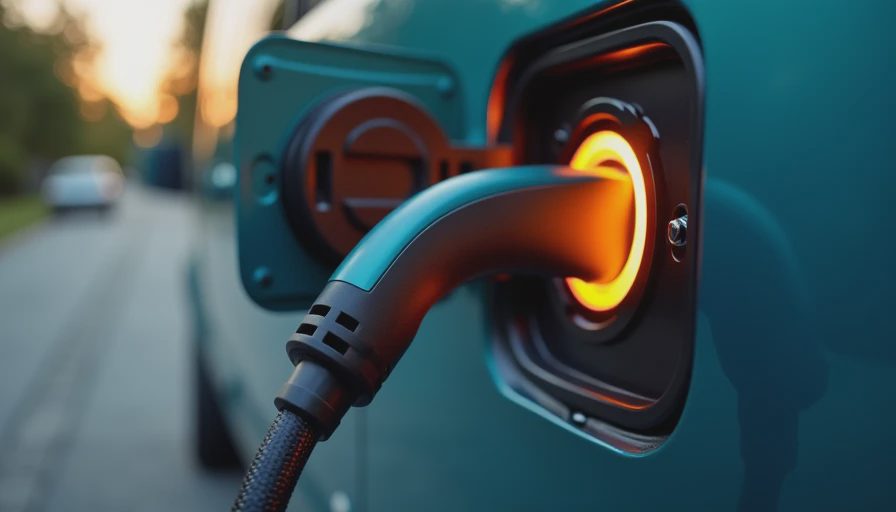
For an electric minivan, charging access matters more than a theoretical maximum range. A driver with a driveway and reliable overnight charging may find a moderate-range model perfectly convenient. Someone living in an apartment or taking frequent rural trips needs to map public chargers before committing. Apps from networks such as ChargePoint and Electrify America can help you see locations, connector types, and reported availability.
Home electricity is often cheaper and more stable than gasoline, but your bill will rise as charging becomes part of your routine. Compare your local electricity rate with current fuel prices, then add likely maintenance. Electric vehicles still need tires, brake inspections, cabin air filters, wiper blades, and other ordinary service. Their friction brakes can last longer because regenerative braking handles some slowing, but tire replacement can be expensive on a heavy vehicle with large wheels.
Also consider the purchase price, financing, registration fees, and possible federal or state incentives. Incentive rules change and can depend on income, vehicle origin, and purchase timing, so verify current eligibility before counting a credit in your budget. A lower monthly fuel bill does not automatically make an expensive vehicle affordable.
Safety and insurance questions
Safety should be personal, not just a list of crash-test grades. Look for a stable seating position, clear visibility, secure child-seat anchors, and driver-assistance features that do not feel confusing. Read the owner's manual section on lane-centering and emergency braking so you understand what the systems can and cannot do.
Insurance pricing for an electric minivan can reflect repair costs, vehicle value, available safety equipment, and your driving history. Collision coverage helps pay for damage to your vehicle after a covered crash, while comprehensive coverage addresses certain non-collision losses such as theft, hail, or falling objects. Ask for quotes before signing a purchase contract. Two vehicles with similar sticker prices can produce noticeably different premiums, and a higher deductible generally lowers the premium while increasing what you pay after a claim.
If you are replacing an older paid-off vehicle, compare the full insurance change rather than focusing only on the new car payment. Get quotes from several insurers, including familiar names such as State Farm, GEICO, Progressive, and regional carriers available where you live. The best policy is the one with useful coverage and a price your household can carry comfortably.
A smart shopping plan
Start by writing down your real weekly mileage, usual passenger count, garage dimensions, and longest annual trip. Then decide whether you need a fully electric model or whether a plug-in hybrid would reduce charging anxiety. Request an electric minivan quote from multiple dealers, but keep the comparisons consistent: same term, similar down payment, destination charges included, and no unwanted accessories.
Schedule a home charging estimate before delivery. Ask an electrician whether your panel can support a Level 2 charger and whether the cable will reach your preferred parking spot. During the test drive, inspect the second and third rows with your actual gear. Finally, collect insurance quotes using the vehicle identification number when available, review the deductible, and calculate an honest monthly total that includes financing, electricity, maintenance, registration, and coverage.
An electric minivan will not be perfect for every household. It can be a wonderful match, though, for a driver who values quiet travel, flexible seating, and a less gas-dependent routine. The right choice is the one that makes Monday morning easier, not the one with the flashiest brochure. What would you want to test first: charging convenience, third-row comfort, or the sliding-door magic?
No comments yet.