Sisters, question for you: do you want an SUV that can handle a muddy trail on Saturday without making the weekday commute feel like a punishment? The crosstrek wilderness is designed for that exact middle ground. It has extra ground clearance, standard all-wheel drive, protective body cladding, and a more adventurous personality than the average small crossover. It is also compact enough for city parking and practical enough for groceries, gym bags, and weekend luggage.
The appeal is easy to understand. You get a driving position that feels reassuring without climbing into a huge SUV, plus a cabin that is simple to live with. The question is whether the added capability, fuel cost, purchase price, and insurance bill make sense for your life. The best answer depends less on how rugged the brochure looks and more on where and how you drive.
What makes the Crosstrek Wilderness different
The crosstrek wilderness sits above the regular Crosstrek trims as the outdoors-focused choice. Subaru gives it a higher ride height, all-terrain tires, revised suspension tuning, and underbody protection intended for rougher roads. Its bumpers and cladding are built to tolerate more gravel, mud, and brush than a polished urban crossover, although this is still a small SUV rather than a dedicated rock crawler.
That distinction matters. A driver who spends weekends on forest roads, snowy mountain routes, or uneven campground access roads will notice the extra confidence. Someone who primarily travels on clean pavement might enjoy the appearance more than the mechanical upgrades. Neither choice is wrong. A car can be a useful tool and a style decision at the same time.
Inside, the cabin favors washable practicality over luxury-car softness. Water-resistant upholstery, durable floor coverings, and rubberized surfaces are helpful after a wet hike or sandy beach day. Cargo space is useful for a small SUV, but large strollers, bulky sports equipment, or a dog crate can require careful packing. Bring the items you actually carry before deciding that the measurements work for you.
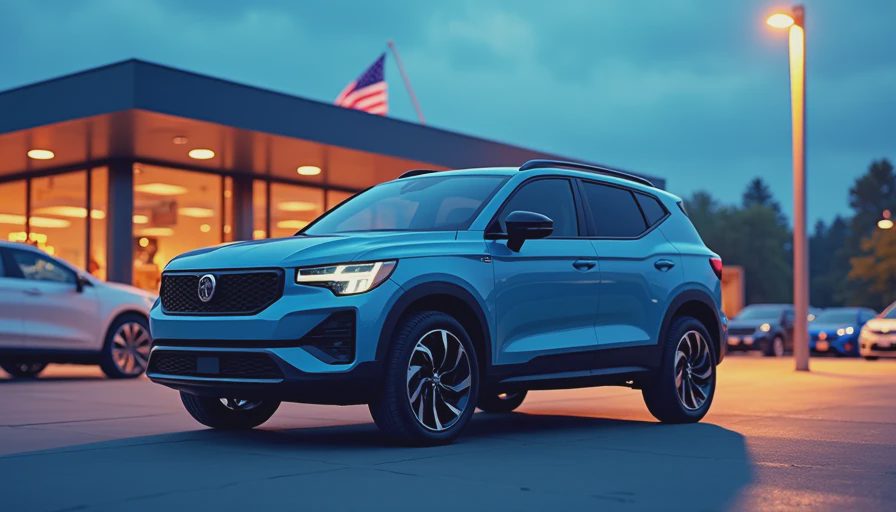
Is the crosstrek wilderness comfortable every day?
Yes, with a few personality quirks. The seating position gives you a clear view of traffic, and the compact dimensions make parallel parking less stressful than it is in a three-row vehicle. Visibility is one of this vehicle’s strongest everyday qualities. The ride is generally composed, but the tires and suspension can feel firmer over broken pavement than those on a comfort-first crossover.
The cabin technology is straightforward rather than flashy. Subaru’s infotainment systems are typically easy to understand, and smartphone connectivity is important because navigation and music are likely to happen through your phone. Before buying, sit in the driver’s seat with your purse, water bottle, sunglasses, and charging cable. Little storage details become surprisingly important after a few months.
Road noise deserves a test drive on both smooth asphalt and coarse concrete. All-terrain tires can produce more hum than touring tires, especially at highway speed. If your normal week includes a long commute, listen carefully before falling in love with the rugged look. A five-minute dealership loop will not tell you as much as a longer drive at 65 miles per hour.
Capability without the intimidating learning curve
The crosstrek wilderness is friendly to people who want outdoor capability but do not want to become experts in off-road technique. Its all-wheel-drive system helps distribute power when traction changes, and drive modes can make loose surfaces easier to manage. That does not eliminate the need for sensible speed, good tires, and basic preparation. AWD can help you get moving; it does not shorten every stop on ice or turn a flooded road into a safe route.
Ground clearance is useful when a rutted road has a deep center or when a snowbank narrows a driveway. Protective trim can reduce anxiety around low branches and gravel. Still, examine the approach to any trail before entering. A compact SUV can be capable while remaining vulnerable to deep water, sharp rocks, and conditions beyond its design.
For casual adventurers, the vehicle’s greatest strength may be confidence. You can leave the city, follow a maintained dirt road, and carry camping gear without feeling that every scratch will ruin a luxury finish. For serious off-road travel, compare it honestly with vehicles offering stronger towing ratings, locking differentials, or more specialized suspension equipment.
How insurance can affect the ownership budget
Insurance for the crosstrek wilderness is shaped by more than its name. Companies consider the vehicle’s year, repair costs, safety equipment, theft history, your location, driving record, credit-based insurance score where permitted, mileage, and selected coverage limits. A rugged trim does not automatically receive a discount, and a safety feature does not guarantee the lowest premium.
A typical policy includes liability coverage for damage or injuries you cause, collision coverage for crash damage to your vehicle, and comprehensive coverage for theft, weather, falling objects, animal strikes, and other non-collision losses. If you finance the SUV, the lender will usually require collision and comprehensive coverage, along with a deductible that meets its terms.
Get quotes before signing a purchase agreement. Ask for the exact vehicle identification number when available, because trim and equipment can affect the result. Compare the annual premium at $500, $1,000, and $1,500 deductibles, but do not choose a deductible that would be painful after a claim. A difference of $20 per month can become unimportant if a larger deductible would empty your emergency fund.
Smart ways to lower the cost
Start with several insurers rather than assuming one familiar brand will win. Geico often competes on price and online convenience, Progressive is known for broad digital quoting and usage-based options, and State Farm has a large agent network. Those general positions do not predict your personal price, so use them as starting points rather than guarantees.
Bundle auto coverage with renters or homeowners insurance if the total price improves. Ask about safe-driver programs, defensive-driving credits, low-mileage programs, and discounts for paying in full. If you use a telematics program, understand what it measures before enrolling; some programs consider braking, acceleration, mileage, or time of day.
Also protect the vehicle in simple ways. Park in a garage when possible, keep registration information current, and do not leave camping equipment visible in the cabin. Comprehensive coverage can help with certain losses, but it does not replace careful habits or cover normal wear and tear.
Who should buy this Subaru?
The crosstrek wilderness makes sense for a driver who wants a manageable daily vehicle with real foul-weather confidence and occasional dirt-road ability. It is especially appealing if you like hiking, skiing, biking, or weekend road trips but do not need a large cargo hold or heavy towing capacity. The higher seating position and compact footprint can also feel like a sweet spot for new SUV owners.
It may be less satisfying if your priorities are whisper-quiet highway travel, plush materials, maximum fuel economy, or a smooth luxury feel. A regular Crosstrek trim could deliver enough capability for your needs at a lower starting price. A Honda CR-V, Toyota RAV4, or Mazda CX-5 might be worth comparing if interior space, hybrid efficiency, or on-road refinement matters more than trail-ready styling.
Before you buy, drive the route you actually use, price the insurance, test your cargo setup, and check the final out-the-door number rather than only the monthly payment. Then ask yourself the most useful question: will this SUV make your real life easier, or are you paying for an adventure version of yourself you rarely meet?
The right answer can still be yes. When the design fits your routines, the crosstrek wilderness becomes more than a rugged trim. It becomes a practical invitation to say yes to the snowy detour, the unplanned campground, and the weekend that starts before sunrise.
No comments yet.