Sisters — question for you: do you want an SUV that can handle a muddy trail on Saturday and a grocery run, commute, or school pickup on Monday? The forester wilderness is built for exactly that in-between life. It adds real trail-ready equipment to Subaru’s familiar compact SUV without turning every drive into a noisy, stiff expedition.
What makes the Forester Wilderness different?
The forester wilderness is the more adventurous version of the Subaru Forester. Its changes are not limited to black exterior trim and a few colorful badges. Subaru gives it increased ground clearance, all-terrain tires, revised suspension tuning, underbody protection, and a more rugged approach to everyday driving.
That extra clearance is useful when a forest road has deep ruts, loose gravel, or a sharp rise that would make a standard crossover hesitate. The standard all-wheel-drive system also gives the vehicle confident traction in rain, snow, and slippery parking lots. It is not a rock-crawling truck, but it is much more comfortable leaving the pavement than most small SUVs.
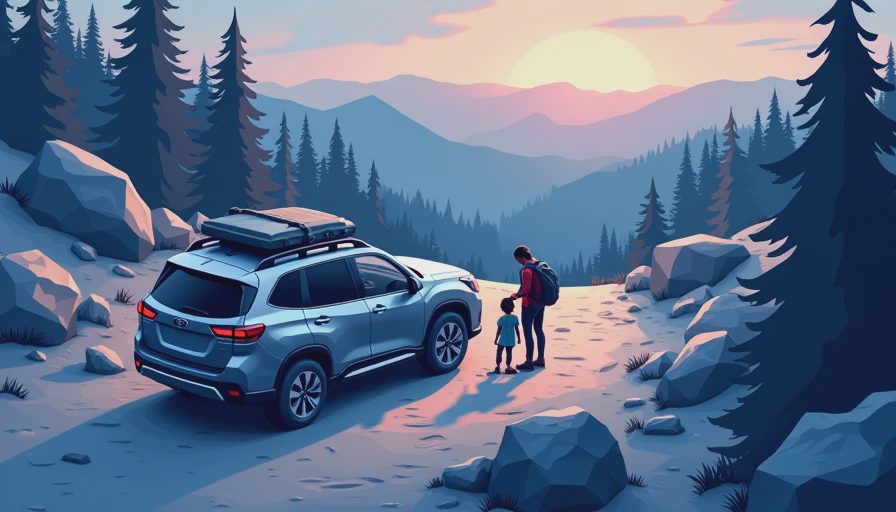
The design is pleasantly practical. Water-resistant upholstery helps after a beach day or muddy dog walk, while the textured exterior cladding can take a little abuse from gravel and trail debris. Roof rails are ready for crossbars, a cargo box, or outdoor gear. The look says “I have plans this weekend” without demanding a matching wardrobe or a garage full of expensive equipment.
How does it feel in everyday driving?
Around town, the forester wilderness feels more approachable than its outdoorsy styling suggests. The seating position is upright, visibility is excellent, and the boxy shape makes it easier to judge the corners when parking. Those details matter when you are navigating a crowded garage, a narrow driveway, or a busy coffee pickup lane.
The ride is firm compared with a softer family crossover, especially over patched pavement. Still, it is not punishing. The suspension has enough compliance for normal commutes, and the higher driving position provides a reassuring view of traffic. The continuously variable transmission, or CVT, manages engine speed smoothly, although it can sound busy when you ask for quick acceleration.
The turbocharged engine delivers useful low-end power for hills, passengers, and gear. It will not feel like a sports car, and that is not the point. The forester wilderness rewards a calm driving style: settle into the lane, let the all-wheel-drive system work, and enjoy the view rather than hunting for dramatic launches at every stoplight.

Inside, the cabin is easy to live with. Controls are generally straightforward, the front seats offer good support, and the durable materials suit an owner who does not want to panic over every scuff. The rear seat has enough space for adults on shorter trips, and the tall roof makes loading a child seat, cooler, or folded stroller less awkward.
Cargo space and road-trip reality
The forester wilderness earns its keep when life gets messy. The rear cargo area has a wide opening and a useful shape, so you can stack grocery bags without losing half the space to sloping bodywork. Fold the rear seats and there is room for camping bins, small furniture, bicycles with the wheels removed, or a weekend’s worth of luggage.
A roof rack expands the possibilities, but remember that rooftop equipment affects wind noise, fuel economy, and handling. A hitch-mounted bike carrier is often easier to load than lifting heavy bikes overhead. If you plan to tow, check the exact model-year rating and your trailer’s loaded weight rather than relying on a general online comment.
For road trips, the seats and visibility are more important than a flashy specification sheet. The cabin feels airy, the upright windows make sightseeing easier, and the driver-assistance features can reduce fatigue on long highway stretches. You will still want to take breaks; no safety system replaces attention or a rested driver.
Is it genuinely capable off pavement?
Yes, within reasonable limits. The forester wilderness is a strong choice for maintained dirt roads, snowy access routes, gravel, rutted trails, and muddy campsites. Subaru’s traction-focused drive modes help manage slippery surfaces, while the extra clearance lowers the chance of scraping the underbody on uneven terrain.
It is especially appealing for someone who wants to explore without immediately buying a large truck or a body-on-frame SUV. The vehicle remains compact enough for city streets and parking spaces, yet it feels more prepared than a typical front-wheel-drive crossover. That balance is the main attraction.
There are limits. Deep water, severe rocks, steep ledges, and technical trails call for specialized equipment and experience. The all-terrain tires improve grip, but they are not magic. A careful line and sensible speed matter more than a rugged badge. If your adventures involve serious obstacles every month, compare larger off-road vehicles before committing.
Ownership costs, fuel, and insurance
The forester wilderness generally costs more than a standard Forester because of its added hardware and distinctive trim. That premium can make sense if you would otherwise spend money on aftermarket tires, suspension changes, protective plates, or roof equipment. Buying the capability from the factory also means the parts are designed to work together, rather than becoming a trial-and-error project.
Fuel economy is usually less favorable than the most efficient compact crossovers, particularly with all-terrain tires and a roof load. A driver covering 12,000 miles annually could notice a meaningful difference at the pump when gas prices rise. Request an insurance quote before signing, too. Comprehensive and collision coverage, your deductible, driving record, location, claim history, and the vehicle’s repair costs all influence the premium. Comparing several insurers can reveal differences of hundreds of dollars per year.
Maintenance is familiar Subaru territory: scheduled oil service, tire rotations, brake inspections, and attention to the all-wheel-drive system. Keeping all four tires closely matched in tread depth is important for an all-wheel-drive vehicle. Budget for replacement tires as a set when necessary rather than treating one worn tire as an isolated expense.
Who should buy it?
The forester wilderness makes sense for a driver who values confidence in bad weather, useful cargo room, and occasional adventure more than maximum acceleration or luxury finishes. It can suit a new homeowner carrying tools, a parent hauling sports equipment, or a weekend traveler who wants to reach a quiet campsite without worrying about the first gravel mile.
It is less compelling if you spend nearly every mile on smooth pavement and want the quietest ride, lowest fuel cost, or most polished interior in the class. A conventional compact SUV could offer a softer experience for less money. The right choice depends on whether you will actually use the extra clearance, tires, and protection.
Before buying, sit in the driver’s seat with your usual shoes, test the cargo area with a stroller or cooler, and drive over the roads you use most. Ask the dealer for an insurance quote estimate, price replacement tires, and compare the total monthly payment with a less rugged trim. A vehicle should fit your actual life, not an imaginary version of it.
The forester wilderness is at its best when it becomes part of your routine: comfortable enough for errands, capable enough for a snowy morning, and ready when a dirt road turns up unexpectedly. That is a pretty lovely definition of an adventure vehicle, if you ask me. Would its blend of practicality and trail confidence fit your garage?
No comments yet.