Sisters — question for you: if the Dodge Warlock is on your shortlist, are you buying the look, the truck, or both? That matters, because this badge has meant different things over the years. Some shoppers mean the old Dodge pickup with the tough, blacked-out attitude. Others mean the newer Ram 1500 Classic Warlock package that carries the same style-forward vibe. Either way, you are usually looking at a truck that leans on curb appeal, stance, and a little off-road swagger. The smart move is to separate the cool factor from the parts that affect daily life: cabin space, visibility, tire cost, fuel use, and insurance.
What the Dodge Warlock name usually means
When people say Dodge Warlock, they are often talking about a truck with a bold appearance package, not a bare-bones workhorse. The original name goes back decades, and the modern versions shoppers find online are usually used trucks with black accents, unique wheels, upgraded trim details, and a more aggressive look than a basic pickup. That can be a great thing if you want personality without jumping into a full custom build. It can also be a trap if the seller spent money on style and skipped the maintenance that actually matters. Before you fall for the paint and decals, check what is mechanical, what is cosmetic, and what was added later. A clean history file, stock suspension, and documented service are worth more than a flashy set of rims.
The other thing to know is that a Dodge Warlock can feel different depending on cab size, drivetrain, and engine choice. A two-wheel-drive truck with smaller tires will ride and steer differently from a four-wheel-drive model with chunky all-terrain rubber. That matters for parking, gas stops, and winter use. It also matters for your insurance quote, because bigger repairs and pricier parts can push the premium higher than a plain truck of the same year.
What it feels like to live with one
On the road, the appeal is simple: you sit high, you see far, and the truck has presence. That can be a confidence boost if you are used to crossovers that disappear in traffic. The downside is that a more aggressive setup can bring more tire noise and a firmer ride, especially if the truck wears all-terrain tires instead of a softer highway tread. If you commute every day, that difference shows up fast on rough pavement and on long freeway stretches.
Inside, the best versions are the ones that balance personality with practical storage. Look for enough rear-seat room if you haul kids, coworkers, or a dog crate. Check whether the bed has a spray-in liner or just a drop-in liner, because that changes how easily gear slides around. If you plan to use the truck for home projects, kayaks, or a weekend market run, the bed and tailgate setup can matter more than the grille. A truck that looks dramatic but is hard to load gets old quickly.
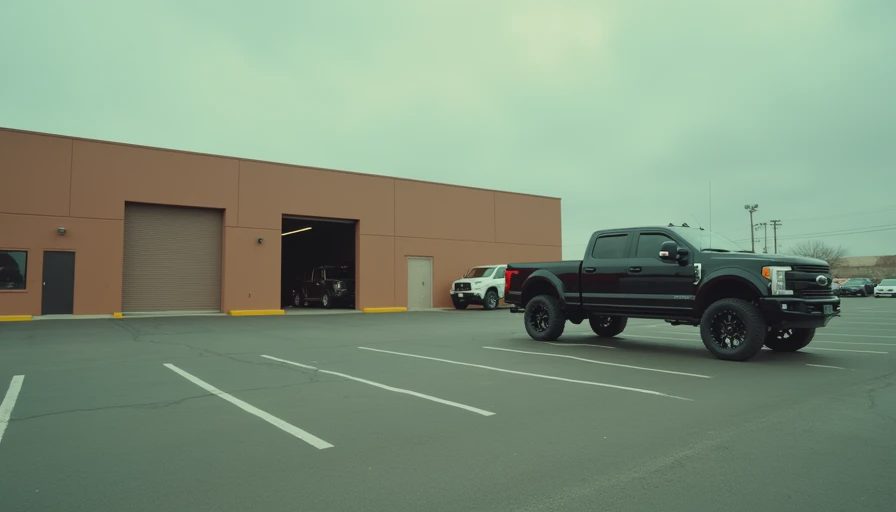
How the Dodge Warlock compares on the used market
Used truck pricing can swing a lot, but a clean example often sits in the mid-$20,000s to the low-$40,000s depending on year, mileage, cab style, drive type, and condition. Lower-mileage four-wheel-drive trucks usually sit at the higher end. That is where shopping gets interesting. You are not just comparing trim names; you are comparing ownership costs. A similarly priced Ford F-150 or Chevrolet Silverado may offer a different mix of cab room, towing feel, and repair costs. A Toyota Tacoma can hold its value well, but it is a different size class, so do not compare them as if they solve the same problem.
A Dodge Warlock tends to win when you want a truck that looks special without paying for a custom suspension or aftermarket wheels right away. It loses some ground if your priority is the lowest fuel bill, the cheapest tires, or the smoothest ride. That is why I tell buyers to test drive the exact truck they plan to buy, not just the trim name. A short drive around town will not tell you everything, but it will tell you if the steering feels heavy, if the brakes feel soft, and if the exhaust or tire hum would make you tired after an hour.
What to inspect before you buy
This is the part that saves you money. Start with the basics: service records, title history, tire wear, and brake condition. Then look under the truck for rust, especially if it lived in a salt state or spent time near the coast. Check the wheel wells, rocker panels, and bed floor. Open and close every door, tailgate, and storage compartment. If the truck has a lift kit, aftermarket lights, or oversized wheels, ask who installed them and whether the original parts were kept. Sloppy modifications can cause alignment problems, vibration, and faster wear on steering components.
Also pay attention to the drivetrain. Engage four-wheel drive if the truck has it. Listen for clunks, grinding, or warning lights. Make sure the dashboard electronics work, because repair bills on modern trucks can climb fast when sensors, cameras, or infotainment screens fail. If you are buying from a dealer, ask for a pre-purchase inspection anyway. A few hundred dollars upfront can keep you from inheriting a four-figure headache later.
Insurance costs and coverage basics
A truck with a bigger wheel and tire package, a higher purchase price, or costly accessories can affect what you pay to insure it. That does not mean every policy will jump, but it does mean the details matter. Comprehensive coverage protects against theft, hail, and other non-collision losses. Collision coverage helps with crash damage. If the truck has custom wheels, a bed rack, or other upgrades, ask whether those parts are covered or whether you need extra accessories coverage. Many drivers skip that question and only find out after a claim.
The safest way to shop is to get quotes using the exact VIN, then compare that number to the same truck in a different trim. That gives you a real apples-to-apples view. A Dodge Warlock with four-wheel drive and expensive tires can cost more to repair than a plain work truck, but it may still fit your budget if the purchase price is right. If you are financing, remember that the lender may require full coverage until the loan is paid off.

Who the Dodge Warlock fits best
This truck makes sense for a driver who wants attitude without going full custom build, and who can live with the tradeoffs that come with a bolder setup. If you love the stance, the dark trim, and the weekend-ready feel, you may not need anything else. If you want the cheapest commuter possible, this is probably not your match. The sweet spot is a buyer who values style, wants a real bed, and is willing to check the details before falling for the first shiny listing.
My honest take is simple: the Dodge Warlock works best when the truck is clean, documented, and mostly stock. That is the version that gives you the look you want without surprise repair bills. If you are shopping used, take your time, compare a few examples, and ask for the service history before you talk yourself into a fast yes. Would you rather pay extra for the badge and stance, or save your budget for a lower-mileage truck with fewer surprises?
No comments yet.